

Whether you're heading south for the winter or simply have a vehicle that only comes out for the occasional weekend drive, proper storage is one of the best ways to protect your investment. Cars that sit unused for weeks or months at a time can develop problems that aren't immediately obvious, from dead batteries and flat-spotted tires to stale fuel and moisture-related damage.
Fortunately, preparing your vehicle for seasonal storage doesn't require a lot of time or specialized knowledge. A few preventative steps before you park it can help keep it in excellent condition and make it easier to get back on the road when you're ready.
Whether you're storing a classic car, convertible, second vehicle, sports car, or the family sedan you leave behind while traveling, these tips will help protect your vehicle throughout the off-season.
1. Clean Your Vehicle Before Storage
One of the simplest—and most overlooked—steps is giving your vehicle a thorough cleaning before putting it away.
Wash the exterior to remove dirt, road debris, bird droppings, tree sap, and other contaminants that can damage your vehicle's finish over time. Applying a fresh coat of wax adds an extra layer of protection against moisture and helps preserve your paint while the car sits.
Don't forget the undercarriage, especially if you've been driving in areas where roads are treated with salt during the winter months. Salt left on the vehicle can accelerate corrosion and rust.
The interior deserves attention, too. Vacuum carpets and seats, wipe down surfaces, and remove trash, food wrappers, beverages, and anything else that could attract insects or rodents. Cleaning the vehicle before storage also makes it much more enjoyable to return to when the season changes.

2. Fill the Tank and Add Fuel Stabilizer
It may seem counterintuitive, but storing your vehicle with a full gas tank is generally better than leaving it nearly empty.
A full tank reduces the amount of air inside the tank, helping limit condensation. Moisture in the fuel system can contribute to corrosion and fuel contamination over time.
If your vehicle will remain parked for more than about 30 days, consider adding a fuel stabilizer, designed to slow gasoline degradation and help protect the fuel system during long periods of inactivity.
After adding the stabilizer, drive the vehicle for several minutes so the treated fuel circulates throughout the fuel system before parking it. Always follow the product directions and your vehicle manufacturer's recommendations.
3. Protect the Battery
One of the most common surprises after long-term storage is discovering a dead battery.
Even when your vehicle isn't being driven, clocks, security systems, computers, and other electrical components may continue drawing a small amount of power. Over several weeks or months, that draw can leave the battery unable to start the vehicle.
A smart battery maintainer can monitor the battery's charge and provide power only when needed. If you don't have access to electricity where the vehicle is stored, disconnecting the negative battery cable may help reduce battery drain. Review the owner's manual first, since disconnecting the battery can affect stored settings or security systems in some vehicles.
4. Inflate the Tires Properly
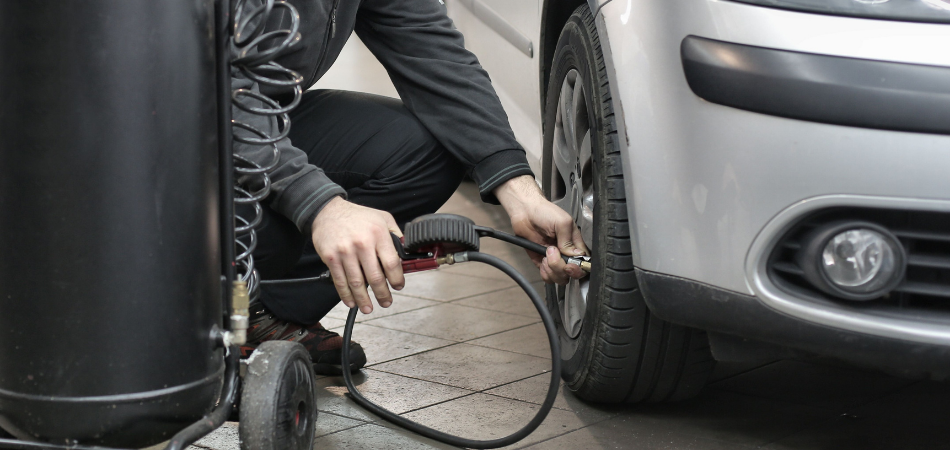
Tires naturally lose air pressure over time, especially as temperatures fluctuate. Underinflated tires can develop flat spots if the vehicle remains parked in the same position for an extended period.
Before storage, inflate all four tires to the manufacturer's recommended pressure. The correct PSI can usually be found on the driver's-side doorjamb label or in the owner's manual—not on the maximum-pressure number molded into the tire sidewall.
If you plan to store the vehicle for several months, tire cradles may help distribute weight and reduce flat spotting. Before driving again, inspect each tire for pressure loss, cracking, damage, or uneven wear.
5. Skip the Parking Brake
Many people automatically set the parking brake before leaving a vehicle parked, but keeping it engaged for months can sometimes create problems.
Moisture and extended contact can cause brake components to stick, especially in humid conditions. When it's time to drive again, the brake may be difficult to release.
Instead, park on a level surface whenever possible, place the transmission in the manufacturer-recommended position, and use wheel chocks or tire stops to prevent movement. Follow the owner's manual if your vehicle requires a different storage procedure.
6. Choose the Best Storage Locatio
Where you store your vehicle plays a significant role in how well it is protected.
According to the Car Care Council, protecting your vehicle from prolonged exposure to moisture, UV rays, and temperature extremes can help preserve both its appearance and long-term condition. An enclosed garage provides the strongest protection from these elements as well as falling debris and wildlife. However, a covered carport can offer a useful alternative by shielding the vehicle from direct sun and precipitation.
If indoor storage isn't available, use a fitted, weather-resistant cover designed for outdoor vehicle storage. A breathable cover can help limit trapped moisture while protecting the paint. Avoid loose plastic tarps, which may hold condensation against the vehicle or scratch the finish when they move in the wind.
7. Check on Your Vehicle Periodically
Even if you don't plan to drive during storage, inspect the vehicle periodically.
Look for signs of pests, water intrusion, tire pressure loss, fluid leaks, or damage to the cover. Check the battery maintainer and make sure wheel chocks remain secure.
Avoid starting the engine solely to let it idle for a few minutes. A brief idle may not bring the engine and exhaust system to full operating temperature and may not adequately recharge the battery. When practical and permitted by your insurance and registration status, a proper drive can be more beneficial than a short idle. Consult your owner's manual or a qualified technician for model-specific guidance.
8. Consider Whether You Still Need the Vehicle
Seasonal storage also provides a useful opportunity to evaluate whether the vehicle still fits your lifestyle.
Perhaps you've become a full-time snowbird and no longer use it. Maybe your weekend convertible rarely leaves the garage, or you've replaced an older car with something newer and more reliable.
For many seasonal residents and occasional drivers, an unused vehicle can become more of a responsibility than a convenience. If you're paying for insurance, registration, storage, maintenance, and occasional repairs on a vehicle that spends most of its time sitting idle, it may be worth asking whether it still serves a useful purpose.
If it doesn’t, donating it can eliminate ongoing maintenance and storage costs while helping support a nonprofit's mission. It can also be a convenient alternative to selling privately. Instead of continuing to carry ongoing ownership costs, you can support a nonprofit organization of your choice while potentially qualifying for a vehicle donation tax deduction if applicable IRS requirements are met.
Keep It Safe While It’s Sitting Still
A little preparation before seasonal storage can go a long way toward protecting your vehicle and avoiding unnecessary repairs. Cleaning the vehicle, maintaining the battery, protecting the fuel system, checking the tires, and choosing an appropriate storage location can help ensure your car is ready whenever you're ready to drive again.
And if you find that your seasonal vehicle spends more time under a cover than on the road, it may be the right time to consider whether it still fits your needs. Whether you keep it for future adventures or start your vehicle donation, taking a thoughtful approach today can save time, money, and headaches down the road. Visit DonateACar.com to learn more.