
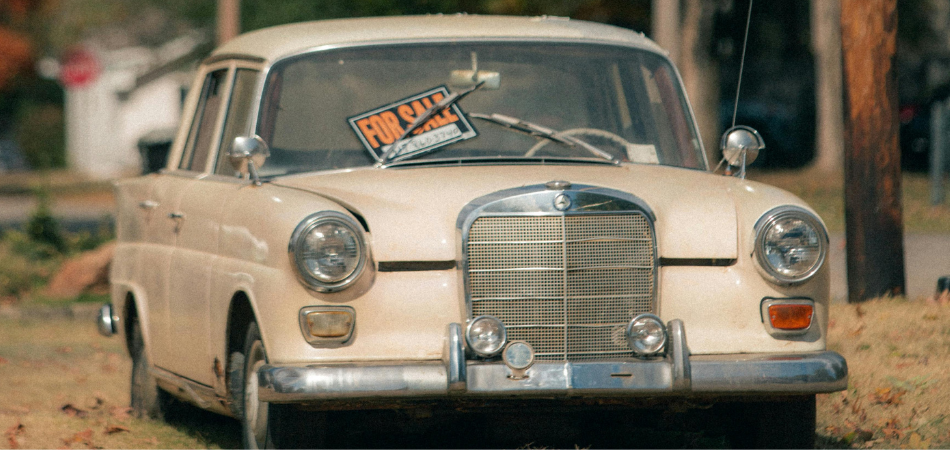
If you’ve tried to sell your car with little success, you’re far from alone. The used car market has shifted dramatically over the past few years, with supply chain disruptions, high prices, and changing buyer preferences contributing to unusual market conditions. While some vehicles sell quickly, others can linger on the market for months without generating offers, even when they’re mechanically sound.
Thankfully, donating your vehicle offers a simple, impactful alternative. If selling isn’t working out, donating your car to charity can turn it into meaningful support for causes you care about, and offer you a tax benefit in the process. Let’s break down why some cars are tough to sell but easy to donate.
1. Unique or Niche Vehicles Have Smaller Buyer Pools
Some cars simply aren’t what the average buyer is looking for. Rare models, niche imports, customized vehicles, or older cars with unique features can be difficult to sell because they attract only a small subset of potential buyers. With fewer interested shoppers, these vehicles can sit listed for a long time with little activity.
This is backed by market trends showing how uneven demand is in the used car space: popular models like compact crossovers and fuel-efficient sedans tend to sell quickly, while less mainstream vehicles take longer to move.
Donation partners, on the other hand, don’t rely on matching a specific buyer to your vehicle. Instead, the car may be auctioned or repurposed, ensuring it still generates value even if it doesn’t appeal to a traditional used car shopper.

2. Cosmetic Damage May Deter Buyers
Superficial issues like dents, scratches, faded paint, or worn interiors don’t necessarily affect how a car runs, but they can affect how it sells. Many private buyers equate cosmetic wear with neglect or hidden problems, reducing their willingness to make a serious offer.
Listing photos and first impressions matter when selling privately. In contrast, donation programs evaluate vehicles differently. Whether a car is cosmetically imperfect or shows the signs of everyday use, it most often can still be accepted for donation and generate much-needed funds for charity.
3. High Mileage is Hard to Sell
Most private buyers prefer lower mileage cars. Once a vehicle reaches 150,000 miles (or more), it often falls into “hard to sell” territory. Buyers expect more wear and tear and potential future repairs, so even well-maintained high mile vehicles can become difficult to market.
However, nonprofits have options: they may sell such cars at auctions where demand includes overseas buyers, rebuilders, or parts resellers — all of whom see value where private shoppers may not.
4. Title or Paperwork Challenges Can Stall Sales
One of the biggest hurdles in a private sale is paperwork. If a title is lost or there are issues transferring ownership, many buyers will walk away. Nationwide, states have varying requirements around titles and liens, and resolving these can take time and effort that many private sellers don’t want to manage.
Here’s where donating can be a relief: many donation programs will walk donors through the paperwork and title process for you. Plus, non-profits in our network are pre-vetted and help ensure your donation meets IRS qualifications and reporting requirements — reducing the hassle on your end. Read through our Vehicle Donation Guide for more information.

5. Long Time on the Market Can be Frustrating
Nothing slows a sale like a car that just doesn’t generate offers. It can be disheartening to list online on platforms like Craigslist, Facebook Marketplace, or Autotrader and hear nothing back for weeks or months. This lack of traction often leads sellers to slash prices, repost listings, or eventually give up entirely.
With donation, that stress disappears. Many nonprofits accept vehicles in almost any condition and will schedule a free pickup within a few days of your donation form — no photos, test drives, negotiations, or waiting for replies
6. Market Imbalances Make Some Cars Tougher to Move
Market dynamics industrywide also influence how easy or hard a car is to sell. Limited supply of new and late model used vehicles, combined with strong consumer demand, keeps prices high overall, but not evenly across all models.
Additionally, factors like higher interest rates, inventory shortages, and uneven demand mean some cars get overlooked, even if they’re in decent working order. Buyers often gravitate toward a small subset of high demand models, leaving others on the sidelines.
7. Donating Offers Financial and Emotional Benefits
While a donation doesn’t put cash in your pocket like a private sale might, it does offer financial advantages. If you itemize deductions on your tax return, your vehicle donation may be tax-deductible, often based on the sale price at auction or the vehicle’s fair market value, depending on how it’s deductible — often based on the sale price at auction or the vehicle’s fair market value, depending on how it’s used.
Plus, there’s an emotional payoff: your vehicle becomes a way to support your favorite nonprofit. With networks of verified 501(c)(3) charities available through services like Donate A Car, you can choose an organization that aligns with your values: from animal rescues to veterans’ services, health research to community outreach.
A Simple Solution With Lasting Impact
Some cars just aren’t easy to sell in the traditional market. Whether it’s a niche model, a little cosmetic wear, paperwork issues, or shifting buyer preferences, getting traction on a private sale can be a struggle, especially if you’re doing it on your own.
But tough-to-sell doesn’t mean no value. Donating your vehicle offers a straightforward, no-hassle alternative that benefits both you and causes you care about. With proper guidance from reputable programs and the potential for tax deductions, your hard-to-sell car can still do good in the world.
If you’re ready to turn your vehicle into impact, learn how to donate it quickly and easily on DonateACar.com.